


The box looked right. The name was spelled correctly, the seal was intact, and the price was a little lower than usual, which felt like a small win. It was only later, when the fever did not break, that the family started to wonder whether the medicine inside was real at all.
Counterfeit medicines in Pakistan are not a rare horror story. They are a steady, everyday risk, from antibiotics with no active ingredient to fake vaccines given in real clinics. This guide explains what these medicines are, how to spot them, how to check a pack in under a minute, and what to do if you find one.
What Counterfeit Medicines Really Are
The World Health Organization draws a clear line between two kinds of bad medicine. A substandard medicine is a real, authorised product that fails quality standards, perhaps because it was made badly or stored in the heat. A falsified medicine is a deliberate fake. It lies about what it is, what it contains, or where it came from. Both can harm you, and from the outside they often look exactly the same. Telling the two apart is the first step in dealing with counterfeit medicines in Pakistan.
The scale of the problem is hard to ignore. The WHO estimates that at least 1 in 10 medicines in low- and middle-income countries are substandard or falsified. That figure comes from a 2017 study of more than 48,000 samples collected in 88 countries, which found a failure rate of 10.5 percent. Countries spend an estimated US$30.5 billion a year on these products, and counterfeit medicines in Pakistan are part of that global picture.
What is inside a fake pack varies. Some tablets contain nothing but chalk or starch. Some carry only a fraction of the active ingredient printed on the box. Others contain the wrong ingredient, or a toxic filler that was cheaper than the real thing.
The fakes found among counterfeit medicines in Pakistan are usually everyday drugs: antibiotics, painkillers, diabetes medicines, cancer drugs and vaccines. No shelf is safe just because the drug on it is common.
Why Counterfeit Medicines in Pakistan Are So Hard to Spot
A medicine in Pakistan can pass through many hands before it reaches you. It leaves a factory, goes to a distributor, then to a wholesaler, then to a medical store, and each step is a chance for a fake batch to slip in. Most of the people along that chain are honest, but the chain is long, and that long chain is one reason counterfeit medicines in Pakistan are so hard to keep out of shops.
Price is the second problem. Medicines are expensive, and when a family is paying for a long course of treatment, a shop offering the same box for less is hard to resist. The trap is that a fake is usually only a little cheaper, not absurdly so, and that small discount is how counterfeit medicines in Pakistan most often find their buyers.
Online sales have made the problem worse. Medicines are now sold through social media pages, messaging groups and websites that have no licence, no address and no pharmacist. The seller takes the money first, the courier delivers a sealed box, and by the time the buyer suspects something, the seller has vanished. A medicine bought this way has passed no check at all, and buyers who use these sellers are taking a chance with counterfeit medicines in Pakistan.
Shortages help the fakers too. When a genuine drug is out of stock, patients get desperate, and a fake fills the gap. That happened with flu vaccines in late 2026, as this article explains below.
Then there is trust. Most people buy from the same medical store they have used for years, and often that trust is well placed. But the shopkeeper himself may not know the batch was fake, because the box he received looked genuine too.
What Fake Medicines Can Do to Your Health
The most common harm is the quiet one. A tablet with no active ingredient does nothing at all, so the illness goes untreated. A fever does not break, an infection spreads, blood sugar stays high, and the patient assumes the medicine simply needs more time. Days pass before anyone suspects the drug, and by then the illness can be much harder to treat. That silent failure is the most common harm from counterfeit medicines in Pakistan.
The danger grows when the fake contains the wrong ingredient. The worst example in Pakistan’s history is still the Punjab Institute of Cardiology tragedy of January 2012. Heart patients in Lahore were given a drug called Isotab, and more than 200 of them died. A judicial inquiry later found that 213 patients had died and about 1,000 suffered serious symptoms. Tests in a British laboratory showed the tablets were contaminated with pyrimethamine, a drug used against malaria, which had poisoned the patients’ bone marrow. The medicine was a licensed product that had been contaminated, not a street fake, but the lesson is the same. When what is inside the pack does not match the label, people die.
Weak antibiotics cause a slower kind of damage. When counterfeit medicines in Pakistan carry only a fraction of the dose they should, the germs they are meant to kill can survive and learn to resist the drug. Over time, that makes real antibiotics less effective for everyone, including people who never took a fake. Health experts call this antimicrobial resistance, and it is one of the reasons doctors now warn patients to finish the full course and to buy from trusted sources.
Fake vaccines are a special worry. A vaccine that contains nothing offers no protection, but the person who received it believes they are safe. That false confidence is one of the cruellest effects of counterfeit medicines in Pakistan, and it can be as dangerous as the disease itself. A drug trial is only as good as the drug being tested, which is why researchers check every dose. When Vision24 covered a recent weight-loss drug trial in teenagers, every dose was recorded and verified, the exact opposite of what happens with a fake medicine bought off a shelf.
Recent Cases That Made the News
In November 2026, health authorities in Islamabad raided a private laboratory in the capital’s Blue Area after a citizen complained. The team, led by the chief drug inspector, found 27 injections of a suspected fake flu vaccine, sold under the name Influvac Tetra. Records seized in the raid suggested the vaccine had already been given to 26 patients, including the daughter of the man who complained. The case was a reminder that counterfeit medicines in Pakistan are not only sold in shops. They can reach patients inside clinics too.
The batch, numbered 913, had already been declared counterfeit by the Drug Testing Laboratory, and the Drug Regulatory Authority of Pakistan had issued a rapid alert about it. The vaccine had never been legally imported into Pakistan during the year. Three people were arrested, including the laboratory’s chief executive, and a court in Islamabad granted the Federal Investigation Agency five days of physical remand to trace where the stock had come from. Reports in the same week flagged a separate batch of the same vaccine, numbered P13, found in Lahore in late October.
Earlier in the year, the Federal Investigation Agency and the Drug Regulatory Authority of Pakistan carried out a nationwide operation against fake and unregistered medicines. On the instructions of the federal health minister, teams conducted ten major joint raids over three months, mostly in Karachi. They seized unregistered medicines, raw material for controlled drugs including tramadol, machinery, packaging material and counterfeit brands. The operation showed how organised the trade in counterfeit medicines in Pakistan has become.
The regulator’s own alerts tell the same story. In August 2025, drug testing laboratories declared samples of several well-known products spurious, including Augmentin 625mg tablets and Zetro 500mg, because tests found no active ingredient in them. In October 2026, the Sindh laboratory declared more samples spurious, including Velosef 500mg capsules and No-Spa Forte 80mg tablets, and the companies whose names appeared on the packaging said the products were not theirs.
Counterfeit medicines in Pakistan are not one scandal that comes and goes. They are a steady problem, caught in raids and laboratory tests every few months, and the cases that make the news are only the ones that get found.
7 Red Flags That Give a Fake Medicine Away
No single check catches every fake. But fakes usually give themselves away in small ways, and a buyer who knows what to look for has a real advantage. Run through these seven checks for counterfeit medicines in Pakistan before you pay.
1. The price is far too low. A genuine medicine has a fixed cost. If a shop offers the same box for half the usual price, or far below what other shops charge, ask why. A small discount is normal. A price that looks too good to be true usually is, and it is one of the oldest tricks behind counterfeit medicines in Pakistan.
2. Spelling mistakes or blurry printing. Read the box. Fake packs often carry small spelling errors, faded print, crooked labels or colours that look slightly off. Compare it with an old pack if you still have one.
3. No batch number, no expiry date, or no registration number. Every legal medicine in Pakistan carries a batch number, an expiry date and a registration number. If any of these is missing, smudged beyond reading, or looks stamped on afterwards, do not buy it. Counterfeit medicines in Pakistan often fail on exactly these details.
4. The seal is broken or the box looks opened. A medicine box should be sealed cleanly. If the seal is torn, loose, re-glued or missing, the pack may have been opened and refilled. The same applies to bottles with loose caps or broken safety rings. A resealed pack is a classic sign of counterfeit medicines in Pakistan.
5. The tablets or syrup look different from last time. If the colour, size, smell or taste of your regular medicine has changed, stop and ask. A genuine product can change its packaging, but the medicine itself should not look or taste different without a reason.
6. The seller cannot show a licence or give a proper bill. A licensed pharmacy displays its licence and gives a receipt. If a seller works from a car, a market stall or a social media page, has no licence on the wall and no receipt to offer, you have no way to trace the medicine back to anyone.
7. The medicine does not work the way it did before. If your symptoms do not improve, or new side effects appear after switching to a new pack, tell your doctor. It may be that the treatment needs adjusting, but it may also be that the medicine is not what it claims to be. Either way, a doctor needs to know. Tell your doctor, and keep the pack. It may be evidence of counterfeit medicines in Pakistan.
How to Check a Medicine Before You Buy It
The best news in this whole story is that checking for counterfeit medicines in Pakistan has become far easier than it used to be. In early October 2026, the Drug Regulatory Authority of Pakistan switched on a Track and Trace System for medicines, and with it came a free mobile app called Mehfooz Dawa, which means “safe medicine”. The app was built by the National Information Technology Board for the regulator, and it is free on Google Play.
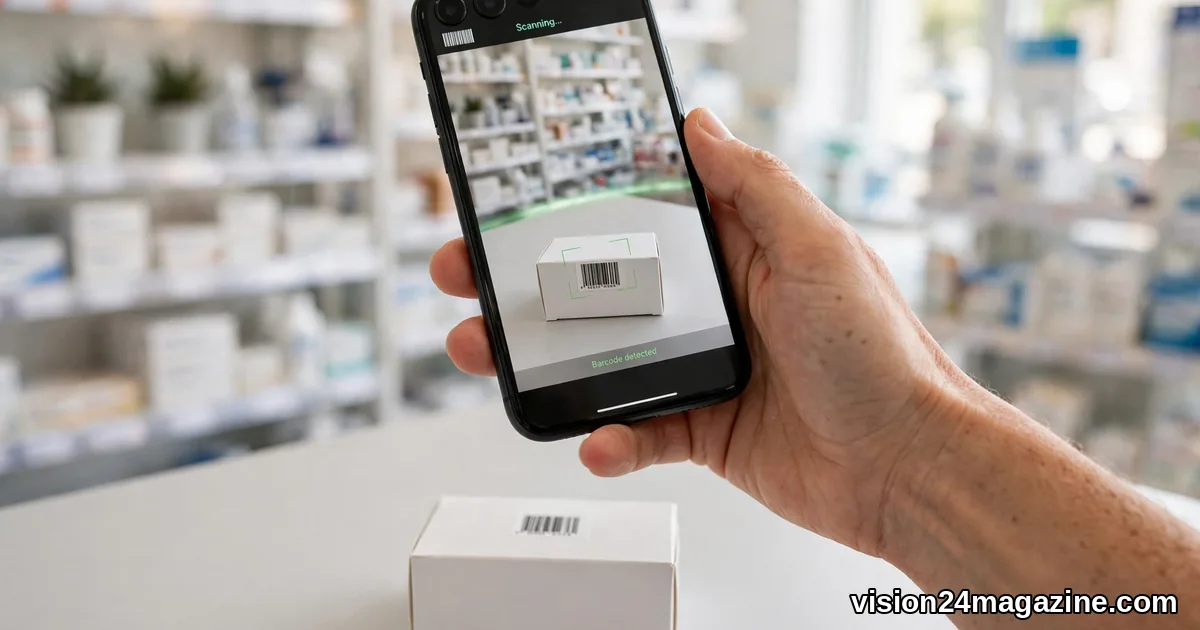
Almost every medicine pack sold in Pakistan now carries a printed 2D barcode. Point your phone at it, and the app tells you whether the product is registered with DRAP, what its approved price is, and when it expires. If the pack is fake, substandard or overpriced, you can report it from the same app, with a photo as evidence. About 800 pharmaceutical companies and more than 90,000 medicines are registered with the regulator, according to the Ministry of National Health Services.
The health minister told the National Assembly in late October 2026 that the prime minister would formally launch the system by the end of November. The system is already working, so there is no reason to wait for the ceremony.
If you do not have the app, the regulator’s own website offers the same check. The DRAP Registered Drugs Index lets you search by registration number, brand name or generic name, and compare what you find with the details printed on the pack. The database is described as provisional, which means it may contain errors or gaps, so a medicine that does not appear in the search is not automatically fake. But if the brand name, registration number or manufacturer does not match, that is a serious warning sign of counterfeit medicines in Pakistan, and you should ask the pharmacist before buying.
A pharmacist is also part of the check. A licensed pharmacist should be able to tell you the registration number of the medicine you are buying and which distributor supplied it. Keep the receipt and the box until the course is finished. If something goes wrong, they are your proof of purchase and the evidence the authorities will need.
The check takes less than a minute, and it is one more way new technology is changing everyday life in Pakistan. Vision24 has written about how technology is changing everyday life and work, and a barcode scan at a pharmacy counter is a small, practical example of that change. Counterfeit medicines in Pakistan survive on the fact that most buyers never check. A one-minute scan takes that advantage away.
What the Law Says About Fake Drugs
Selling counterfeit medicines in Pakistan is a serious crime, and the punishment reflects that. Under Section 27 of the Drugs Act, 1976, anyone who sells a spurious or unregistered drug can face three to ten years in prison. Selling a counterfeit drug carries up to seven years. A person convicted a second time can face life imprisonment under Section 28 of the same law.
The Drugs Act is not the only law involved. The Drug Regulatory Authority of Pakistan was set up under the DRAP Act, 2012, to register medicines, licence manufacturers and police the market. Provincial governments run their own drug control departments and drug inspectors, who can raid shops, seize stock and send samples for testing. Cases are heard in Drug Courts.
The law, however, only works if someone reports the crime. If you find counterfeit medicines in Pakistan, you can report them in the Mehfooz Dawa app, with a photo of the pack. You can also contact DRAP directly or your provincial drug control department, or tell the drug inspector in your district. Keep the pack, the receipt and the batch number, because the authorities will ask for them.
Reporting a fake is like reporting a scam call. The report only helps if it reaches the right place, and the habit is the same: check before you trust. The same check-first thinking applies when an unknown number calls, and Vision24’s guide explains how to check an unknown number before trusting it.
A Simple 5-Step Routine for Every Purchase
You do not need to memorise this whole article. A short routine, followed every time, covers most of the risk.
1. Buy from a licensed pharmacy. Choose a proper medical store with a licence on the wall and a pharmacist on duty. Avoid sellers on social media, messaging groups and market stalls, no matter how cheap the offer is.
2. Look at the pack. Check the seal, the printing, the spelling, the batch number, the expiry date and the registration number. If anything looks wrong, do not buy it. That one habit is a simple defence against counterfeit medicines in Pakistan.
3. Scan the barcode. Open the Mehfooz Dawa app and scan the 2D barcode before you pay. It takes less than a minute, and it is the single best defence against counterfeit medicines in Pakistan.
4. Keep the receipt and the box. Do not throw them away until the course is finished. They are your proof of purchase and the evidence the authorities will need if something is wrong.
5. If anything feels off, stop. Do not take a medicine you do not trust. Ask your pharmacist or your doctor, and report the pack to DRAP if you still have doubts. It is better to waste one box than to take a drug that does nothing, or worse.
Frequently Asked Questions
How can I check if a medicine is genuine in Pakistan?
To check for counterfeit medicines in Pakistan, download the free Mehfooz Dawa app from Google Play and scan the 2D barcode printed on the pack. The app shows whether the medicine is registered with DRAP, its approved price and its expiry date. You can also search the medicine by its registration number or brand name in the DRAP Registered Drugs Index, and compare the result with the details on the pack.
What should I do if I think I already took a fake medicine?
Stop taking it and speak to your doctor or pharmacist as soon as possible. Do not throw the pack away. Keep the box, the blister pack and the receipt, because they carry the batch number and the seller’s details. Then report the medicine to DRAP through the Mehfooz Dawa app or your provincial drug control department.
Are medicines bought online safe?
They can be, but only if the seller is a licensed pharmacy with a real address and a pharmacist. Medicines sold through social media pages, messaging groups or websites with no licence are a serious risk, because counterfeit medicines in Pakistan are sold through exactly these channels, and there is no one to hold responsible if the product is fake. If a seller cannot show a licence or give a proper receipt, do not buy from them.
What is the difference between a substandard and a counterfeit medicine?
The World Health Organization defines a substandard medicine as an authorised product that fails quality standards, for example because it was made badly or stored in the heat. A counterfeit, or falsified, medicine is a deliberate fake that lies about what it is, what it contains, or where it came from. Both can harm you, and both are illegal to sell. That is why counterfeit medicines in Pakistan are treated as a crime, not just a bad purchase.
Conclusion
Counterfeit medicines in Pakistan are a real danger, but they can be beaten. The figures, the regulator’s alerts and the cases in the news all point to the same truth: fake drugs are common, they look genuine, and they can kill. The defence is simple, and it is in your pocket. Buy from a licensed pharmacy, check the pack, scan the barcode, and keep your receipt. A minute of checking is a small price for medicine you can trust, and every report helps take counterfeit medicines in Pakistan off the shelf.
