


Introduction
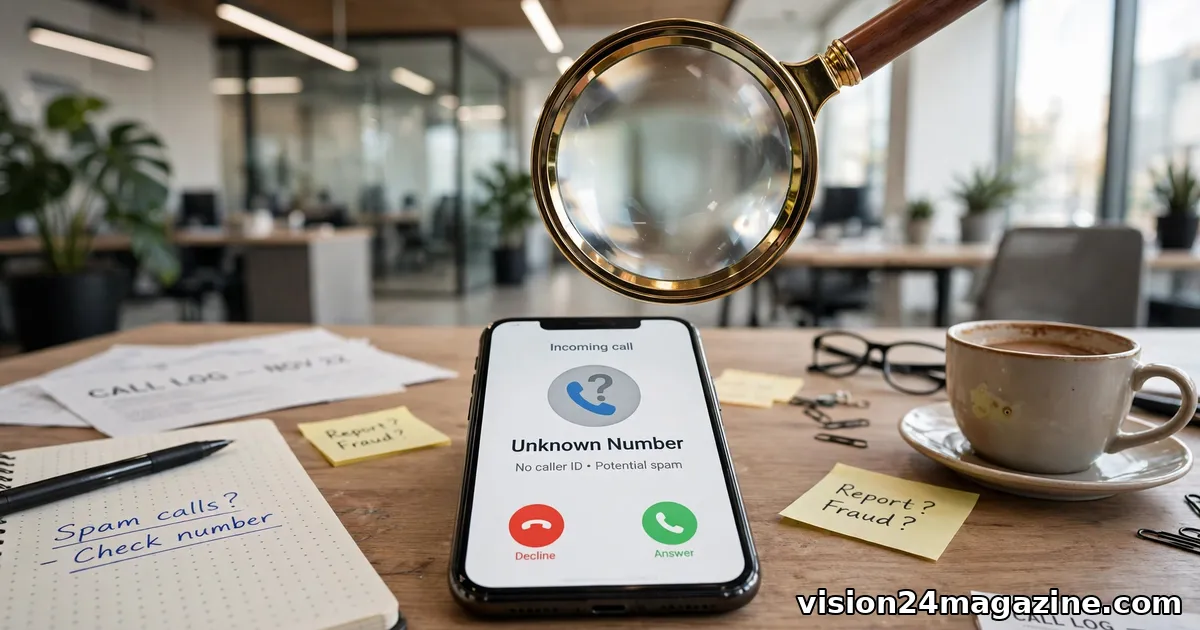
Your phone rings from a number you do not recognize. It could be a delivery driver, a doctor’s office, or a scammer hoping you pick up. Americans reported losing more than $12.5 billion to fraud in 2024, according to the FTC, and phone calls were the second most common way scammers first made contact. A reverse phone lookup is a simple first step before you call back: type the number into a search tool and see what is already attached to it. It will not always name the caller, but it can show whether a number looks like a real business or a likely spammer.
What Is Reverse Phone Lookup?
A reverse phone lookup works backwards from a normal phone search. Normally you start with a person’s name and look for their number. A reverse phone lookup starts with the number and looks for the person or business behind it. You enter the number into a website or an app, and the tool checks what it can find: a possible name, a carrier, a location, or spam reports.
The idea is older than the internet — phone companies once printed reverse directories that libraries kept. Those books never included cell phones, and they went out of date fast. The modern version does the same job with public records and reports from other users, in seconds.
How Does Reverse Phone Lookup Work in the USA?
A reverse phone lookup in the USA follows four steps. First, you enter the full phone number, including the area code, into a lookup website or app. Second, the tool searches the records it can reach — carrier databases, public records, business listings and spam-report databases. No free tool searches everything. Third, the tool shows what it found: a possible name, the carrier, the city and state, and any spam reports tied to the number. A thin result may show only the carrier and area code. Fourth, verify the result yourself. A single lookup is a lead, not proof, so check a second service — if two or three sources agree, you can trust it far more.
How to Perform a Free Reverse Phone Lookup
For a Free Reverse Phone Lookup USA search, this five-step method works best. You do not need to pay anything for a basic lookup.
Step 1: Copy the unknown phone number. Write it down exactly as it appears on your caller ID, including the area code. Scammers often spoof a local area code, so a local-looking number proves nothing.
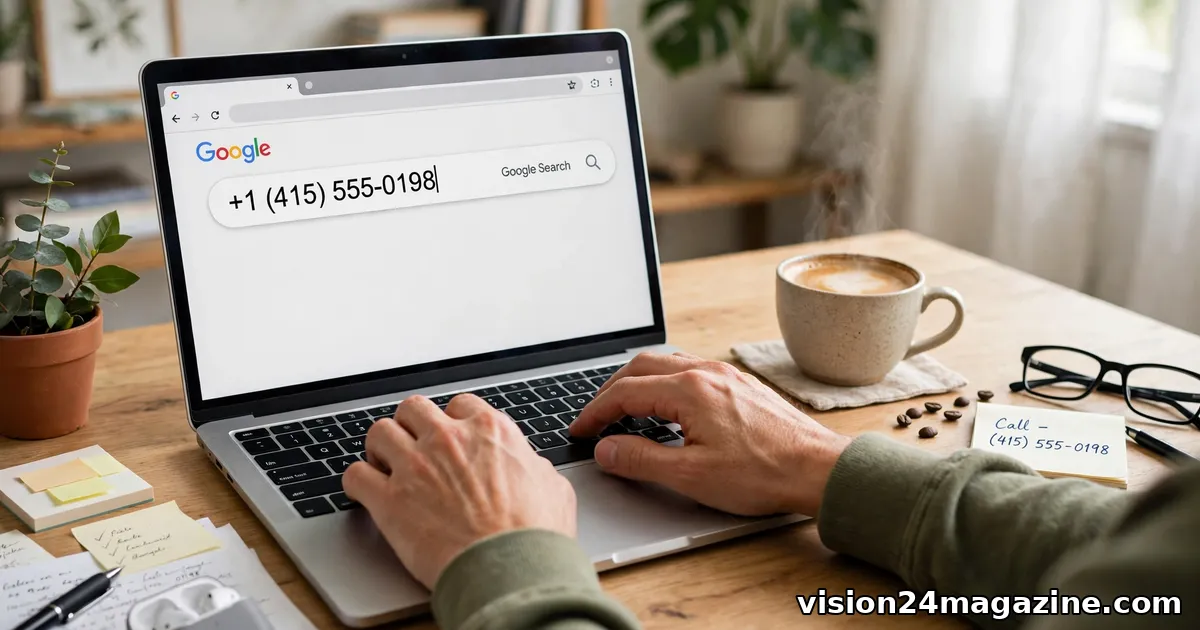
Step 2: Search the number on Google. Paste it inside quotation marks, like “202-555-0147”, for an exact match. This works best for business numbers and for scam numbers people report on forums. Most personal mobiles will not appear.
Step 3: Try a free reverse phone lookup website. If Google gives you nothing, try Truecaller, Whitepages, Spy Dialer or NumLookup, covered below. Note what is missing as well as what is shown.
Step 4: Check caller ID apps. Search the number inside your caller ID app — Truecaller, for example, can show a community-sourced name and a spam warning. Some apps also let you search on their website, though it may ask you to sign in.
Step 5: Verify results from multiple sources. Never trust a single result. If two or three tools agree on the name and location, it is probably right. Numbers change hands, too: last year’s real number may be a scammer’s recycled number today.
Watch: How to Perform a Free Reverse Phone Lookup
Prefer to watch instead of read? This short video from NumLookup walks you through the same five steps on screen.
Best Free Reverse Phone Lookup Websites in the USA
No single tool is best, because each searches different records and has different limits. If you want a Free Reverse Phone Lookup USA option, start with the five below. Each one is free at the basic level — but none is completely free for everything.
Truecaller
Truecaller is the biggest name in caller identification. Search a number in the app or on the Truecaller website, and the result can show the name most often linked to it, the general location, the line type, and a spam warning if other users flagged it.
The free version covers number search, caller ID and spam warnings. The website asks you to sign in and has a daily limit, and the data is crowd-sourced, so names can be wrong. Truecaller says it is not a background-check service, and it claims 500 million users worldwide.
Whitepages
Whitepages is the oldest service on this list. Founded in 1997, it describes itself as the largest site of its kind, and according to the BM Magazine article from December 2020, it claims contact information for about 275 million people and 25 million businesses. The free lookup only gives the city or state and the mobile carrier — the owner’s name and location need premium features.
Spy Dialer
Spy Dialer is a free web-based reverse phone lookup tool for US numbers only. No app or account is needed, and one review says it allows 50 searches a day. It can show a possible owner name, carrier, line type, general location and spam likelihood, plus a voicemail greeting preview. But it cannot show real-time identity, spoofed caller IDs, unlisted numbers, precise addresses or criminal records, and it is not a compliant tool for employment, tenant or credit screening.
NumLookup
NumLookup is a free reverse phone lookup service that needs no registration, email or card. It returns the owner name when available, carrier, location, line type and spam risk indicators, plus public social profiles. Reviewers put its accuracy at roughly 70 to 80 percent of US numbers, based on a Trustpilot score of 4.1 out of 5 from 420+ reviews — a review claim, not a proven fact. The basic lookup is free, but a daily cap pushes you toward a subscription of around $20 a month.
Google Search
Google Search is not a reverse phone lookup service, but it is the fastest free check of all. Paste the number into Google in quotation marks for an exact match. A business number usually leads to its website or Maps listing, and a known scam number may appear on a forum where others warned about it. Most personal mobiles will not appear, so a blank result does not mean the number is safe.
What Information Can You Find?
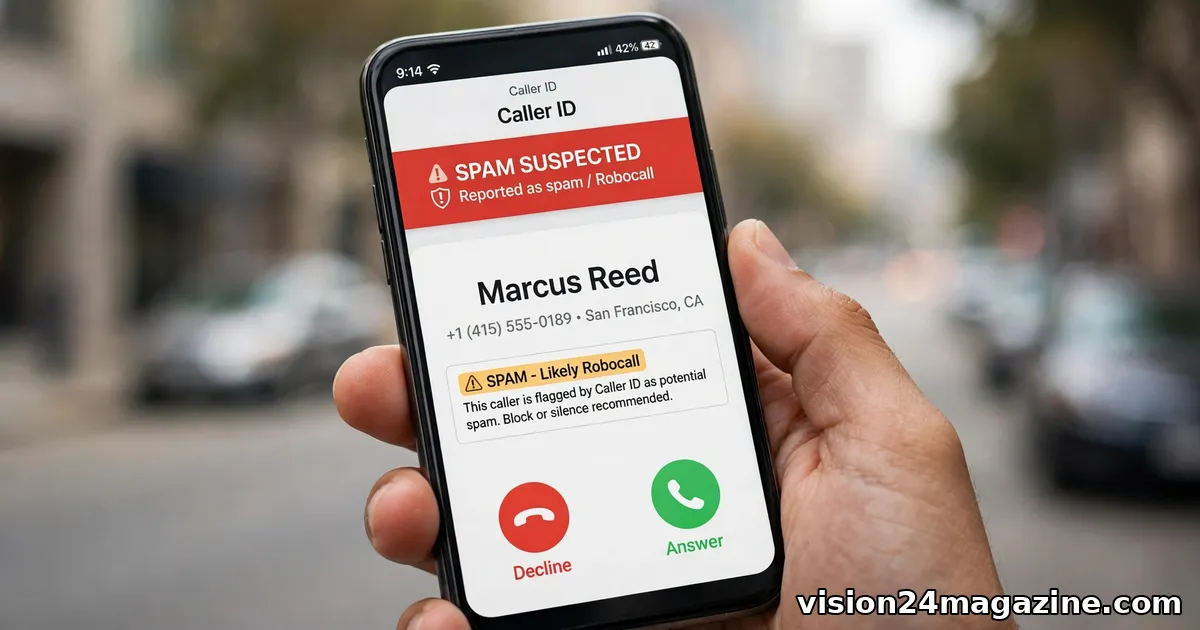
A reverse phone lookup can only show what is already public or reported by other users. A possible caller name is the most useful result and the least certain — it can be outdated, especially for mobiles that changed owners. Treat a name as a lead, not proof. The carrier and line type are usually reliable, while the location is only a rough guide from the area code. Business information is where a lookup works best, since real businesses list their numbers publicly. And spam reports are the most practical result: when others have flagged a number, that history tells you more than a name.
Are Free Reverse Phone Lookup Services Safe?
A reverse phone lookup is safe to use in the usual sense — typing a number into a website does not put your phone at risk. But read the privacy policy first, and avoid any site that asks for your phone number, email or credit card just to run a basic search. If a site demands your details before showing a result, close it.
Accuracy is the second issue: names can be wrong, and a clean result does not prove a number is safe, because scammers use fresh numbers with no history. Fake websites are the third risk — some copy a real lookup service to collect emails or push subscriptions. And the same databases list your number too, so use the unlisting option if you want it removed.
Free vs. Paid Reverse Phone Lookup
The difference between free and paid reverse phone lookup is simple: free tells you whether a number looks safe, paid tries to tell you who owns it. A free search usually gives the carrier, location, line type and spam reports — often enough to decide whether to answer, ignore or block.
A paid report adds a full name, addresses and email addresses, usually for around $20 a month. But paid sites are not consumer reporting agencies, so their reports may not be used for employment, tenant or credit screening — those need a consumer report under the Fair Credit Reporting Act (FCRA).
Tips for Identifying Unknown Callers
A reverse phone lookup is only one part of staying safe. These four habits cover the rest.
Do not click unknown links. Scam texts often link to a fake delivery, bank or prize page. Tapping it can install malware or steal your login details. Open the company’s own app or type its address yourself instead.
Do not give personal information to suspicious callers. No real bank or government agency will ask for your password, one-time code or Social Security number by phone. Investment scams work the same way, promising big returns on Bitcoin — the FTC says they cost Americans $5.7 billion in 2024. Scammers also use AI-cloned voices now; see how AI is changing work.
Block spam numbers. Once you know a number is spam, block it: on iPhone, open the call in Recents and choose Block this Caller; on Android, open the Phone app, tap the number and choose Block. Your carrier’s free spam-blocking app and your phone’s spam filter help too.
Verify important information independently. If a caller says your account is locked or you owe the IRS money, hang up and call the organisation on its official number. If you lost money, report it at ReportFraud.ftc.gov, and join the Do Not Call Registry at donotcall.gov or 1-888-382-1222. Forward spam texts to 7726.

Frequently Asked Questions
Is reverse phone lookup free in the USA?
Yes, at the basic level. A reverse phone lookup is free in the USA if you only need the carrier, the general location and any spam reports. The paid part starts with a full name, an address history or a background check — usually a subscription of around $20 a month, so the search is free but the full report is not.
Can I find the owner of a phone number for free?
Sometimes. A reverse phone lookup can find the owner for free when the number belongs to a business or is listed publicly. For a personal mobile, a free search often shows only the carrier and area code. If the result is thin, try a second service.
Is reverse phone lookup legal in the USA?
Yes. Looking up publicly available information about a phone number is legal in the USA. But you may not use a lookup report for employment, tenant or credit screening — those need a consumer report under the Fair Credit Reporting Act. Harassing or stalking someone with lookup results is illegal.
Can I search a phone number using Google?
Yes, and it is the quickest free check there is. Paste the number into Google inside quotation marks, like “202-555-0147”, for an exact match. A business number usually leads to its website or Maps listing. But most personal mobiles will not appear, so a blank result means nothing on its own.
Are free phone lookup websites accurate?
They are partly accurate. The carrier, line type and area code are usually right. Names are less reliable, because they come from public records and other users and can be outdated. Reviews put NumLookup’s accuracy at roughly 70 to 80 percent of US numbers — a review claim, not a proven fact. Compare two or three services.
Can reverse phone lookup identify scam callers?
It can help, but it cannot guarantee it. A reverse phone lookup can identify scam callers when others have already reported the number. But scammers switch to fresh numbers with no history, so a clean result does not mean the caller is safe. If the caller asks for money, a password or a one-time code, that is the real sign.
Conclusion
A Free Reverse Phone Lookup USA check is a small habit that saves trouble. It takes less than a minute: search the number on Google, try a free lookup site, and compare results before you call back. The free tools will not name every caller or catch every scam, but they will show when a number has a history of spam. Never share personal information with a stranger on the phone, block the spam numbers, and report the ones that try to steal from you. More guides like this are in our Tech section.
